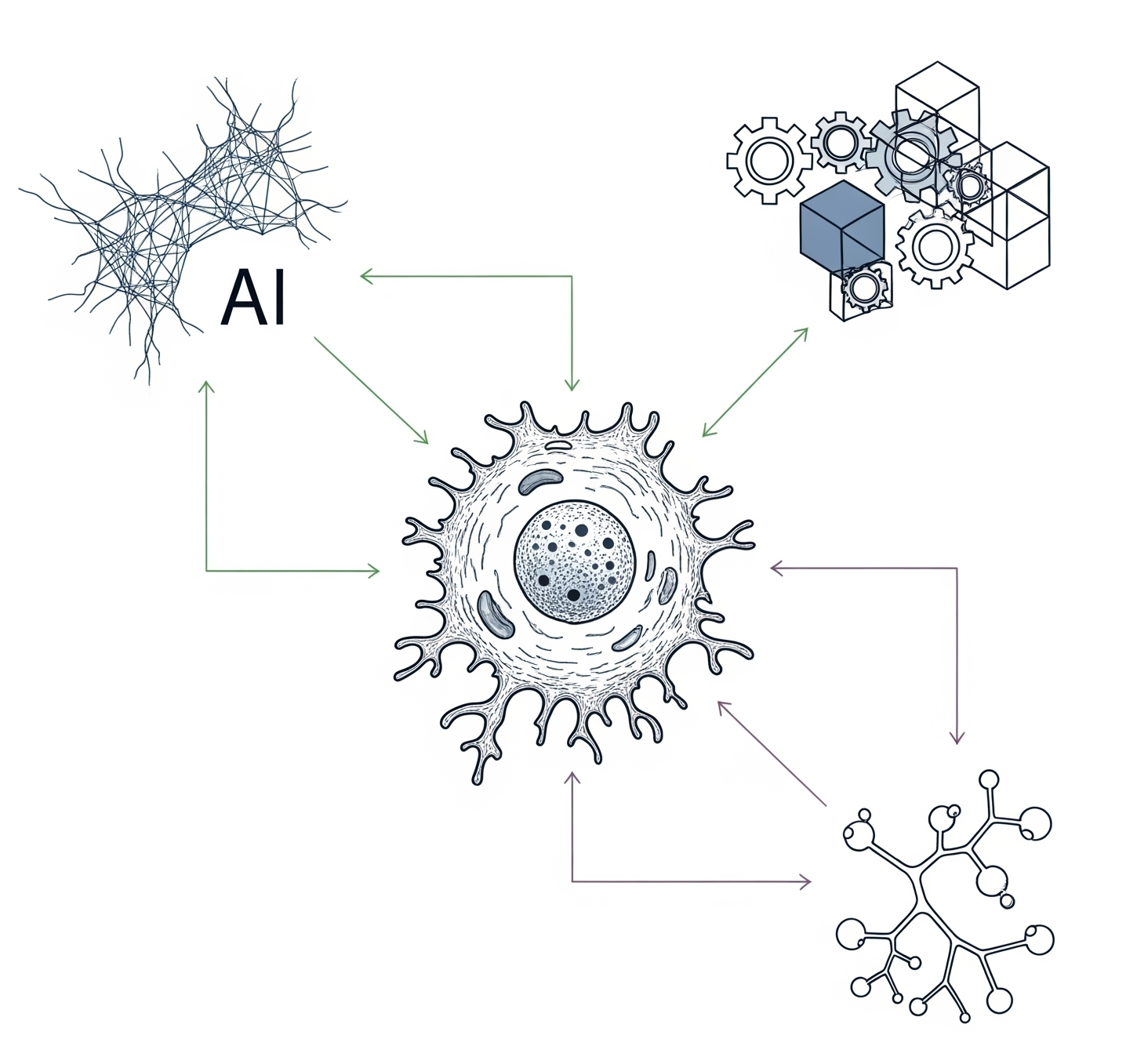
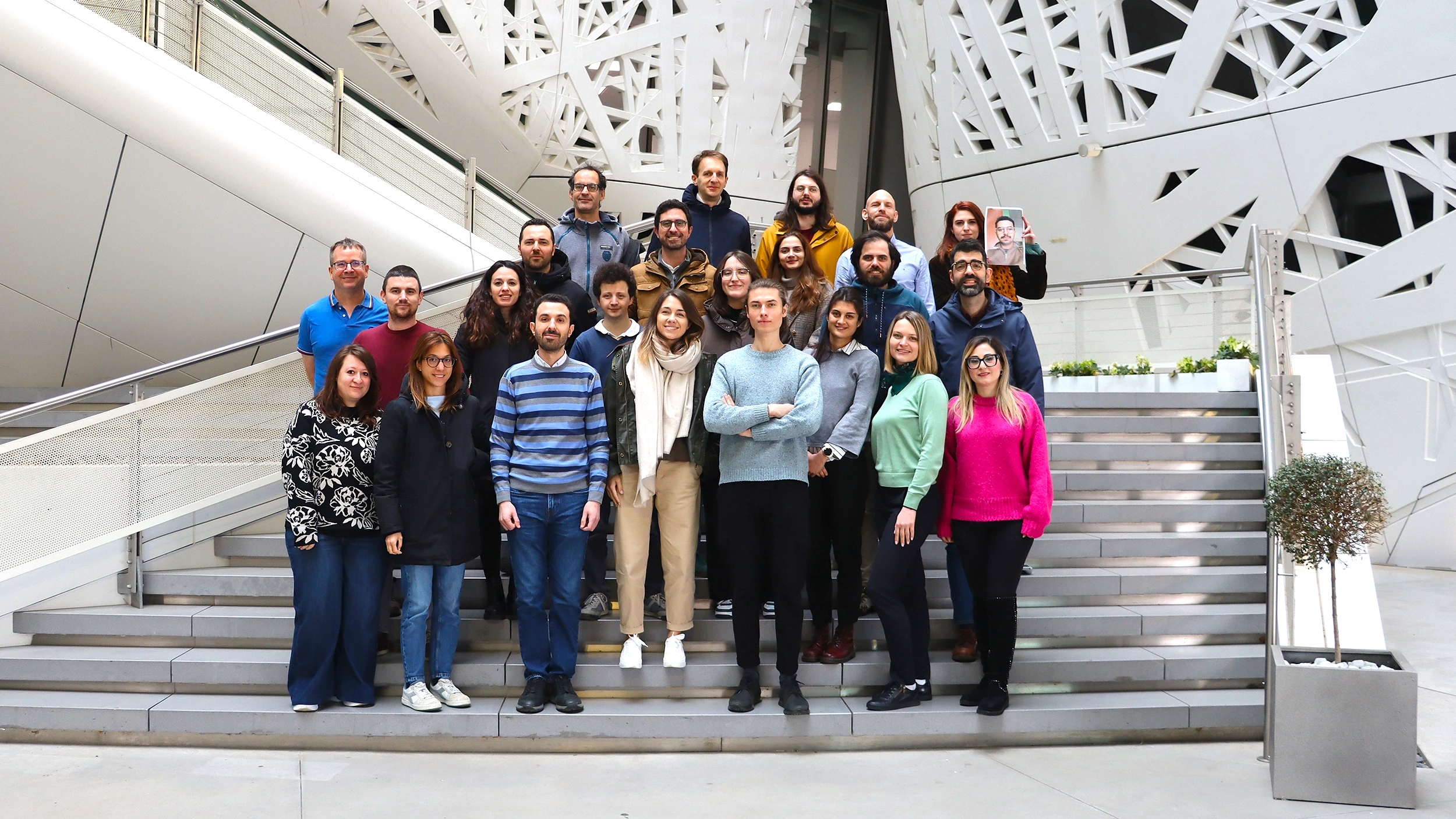
We have pioneered the use of evolutionary theory applied to cancer genomic data and designed amongst the first computational methods combining AI with mechanistic modelling for oncology. Our lab focuses on deciphering the dynamics of cancer growth, progression and treatment resistance using mathematical and computational approaches applied to multi-omic data, with the objective of predicting and controlling the disease. We also develop experimental evolution approaches to study cancer drug resistance, bringing the theory+experiment approach from physics to biology. We are part of the Computational Biology Research Centre at Human Technopole, a new life science institute in Milan, Italy.
We use molecular information to quantify and predict tumour evolution in humans and patient-derived models.
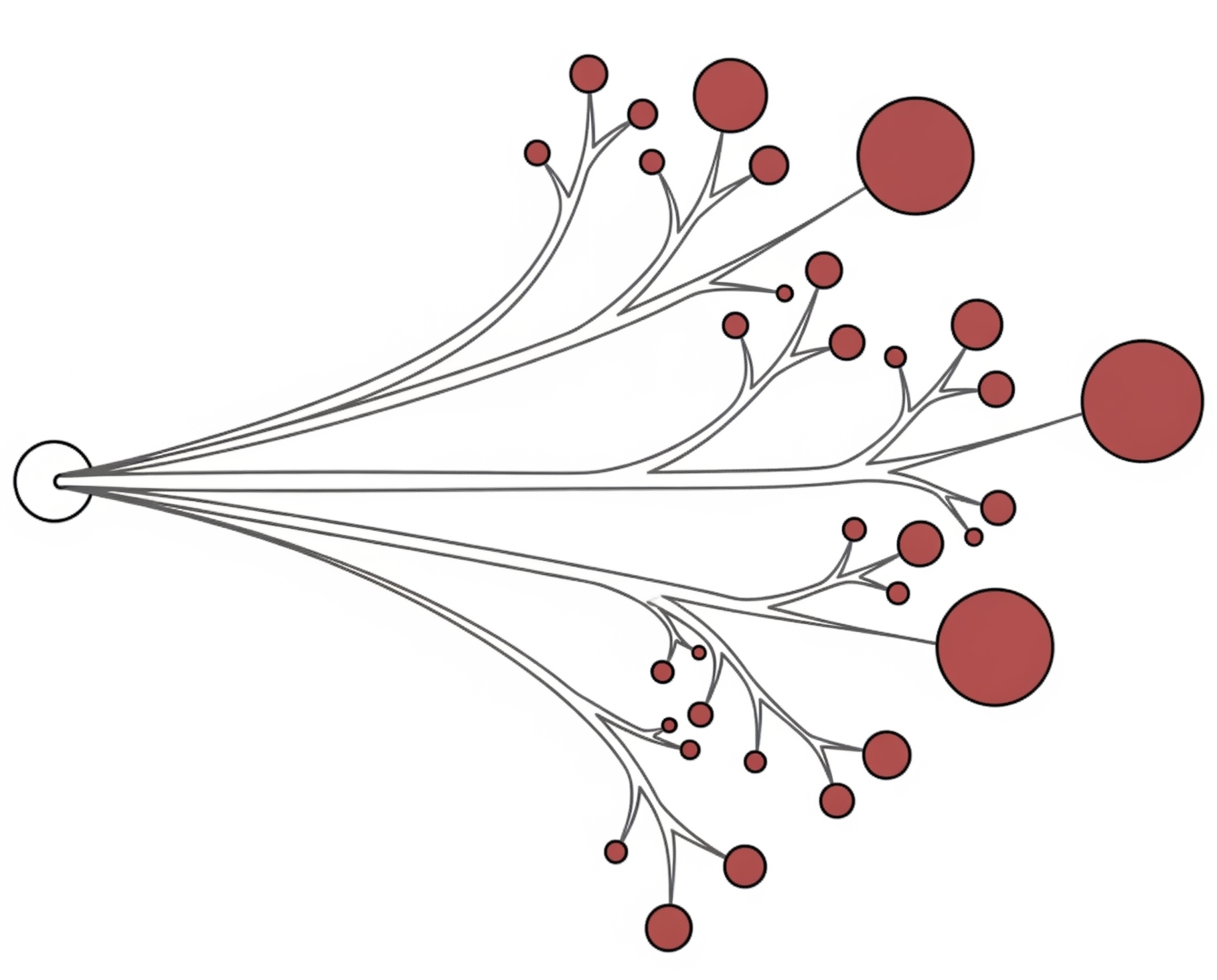
We create Machine Learning methods integrated with mechanistic modelling based on statistical physics, spatial tissue simulations and stochastic branching processes.
We develop model systems for experimental evolution to design novel treatment strategies that prevent and control the emergence of drug resistance.
Head of the Computational Biology Research Centre, Biophysical Modelling Programme
Coordinator of the Immunogenomics and Cancer Research Flagship Programme
Human Technopole, Milan, Italy
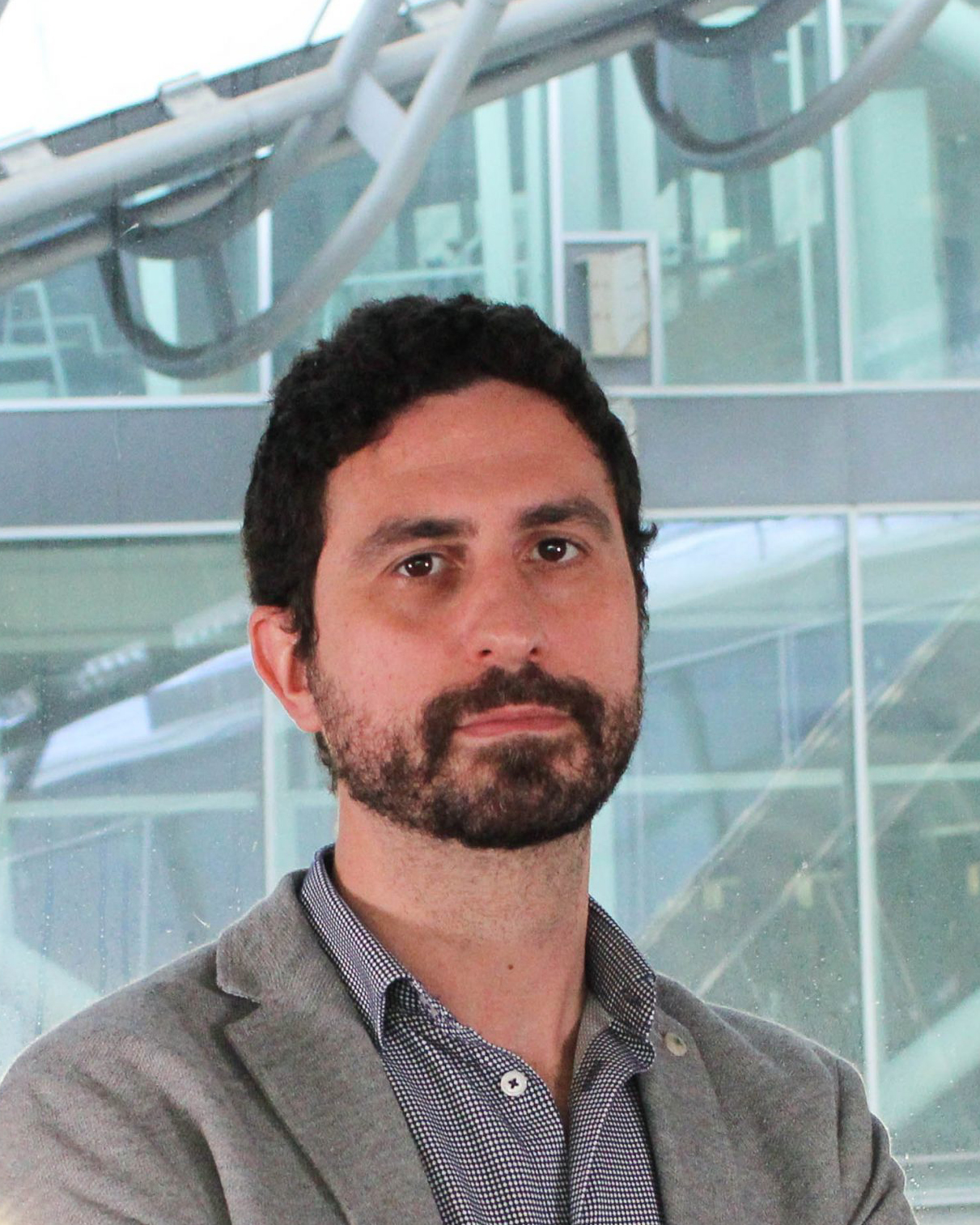
Andrea’s research focusses on the development of new computational approaches to measure cancer evolution in patients, with the aim of predicting the future course of the disease. Andrea’s lab also integrates patient-derived experimental models and multiomics data, with evolutionary methods to design new treatment strategies that aim at preventing and controlling drug resistance. After graduating in Computer Science from the University of Bologna in 2006, he obtained a master in Computational Sciences from the University of Amsterdam in 2008. During his studies, he worked in neutrino physics at the Department of Physics of the University of Bologna and at the Institute for Nuclear and High Energy Physics (NIKHEF) in the Netherlands as a research assistant. In 2012 he completed his PhD in Computational Biology from the University of Cambridge, where he worked at the Cancer Research UK research centre. After postdoctoral work at the University of Southern California, he started his lab at the Institute of Cancer Research in London in 2013, where in 2018 he became the Deputy Director of the Centre for Evolution and Cancer and then the Director in 2020. He moved to lead the Computational Biology Research Centre at Human Technopole in 2021.


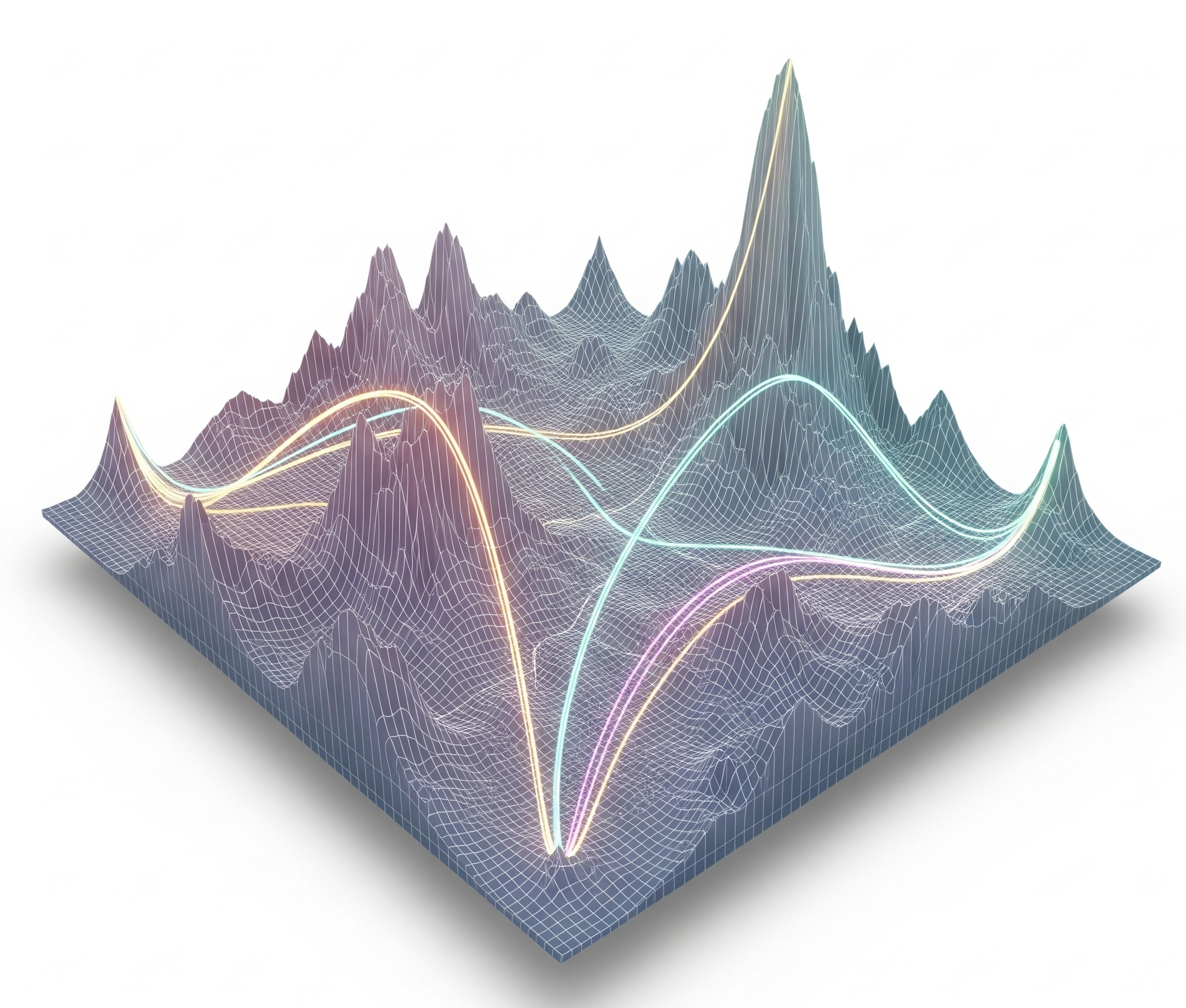
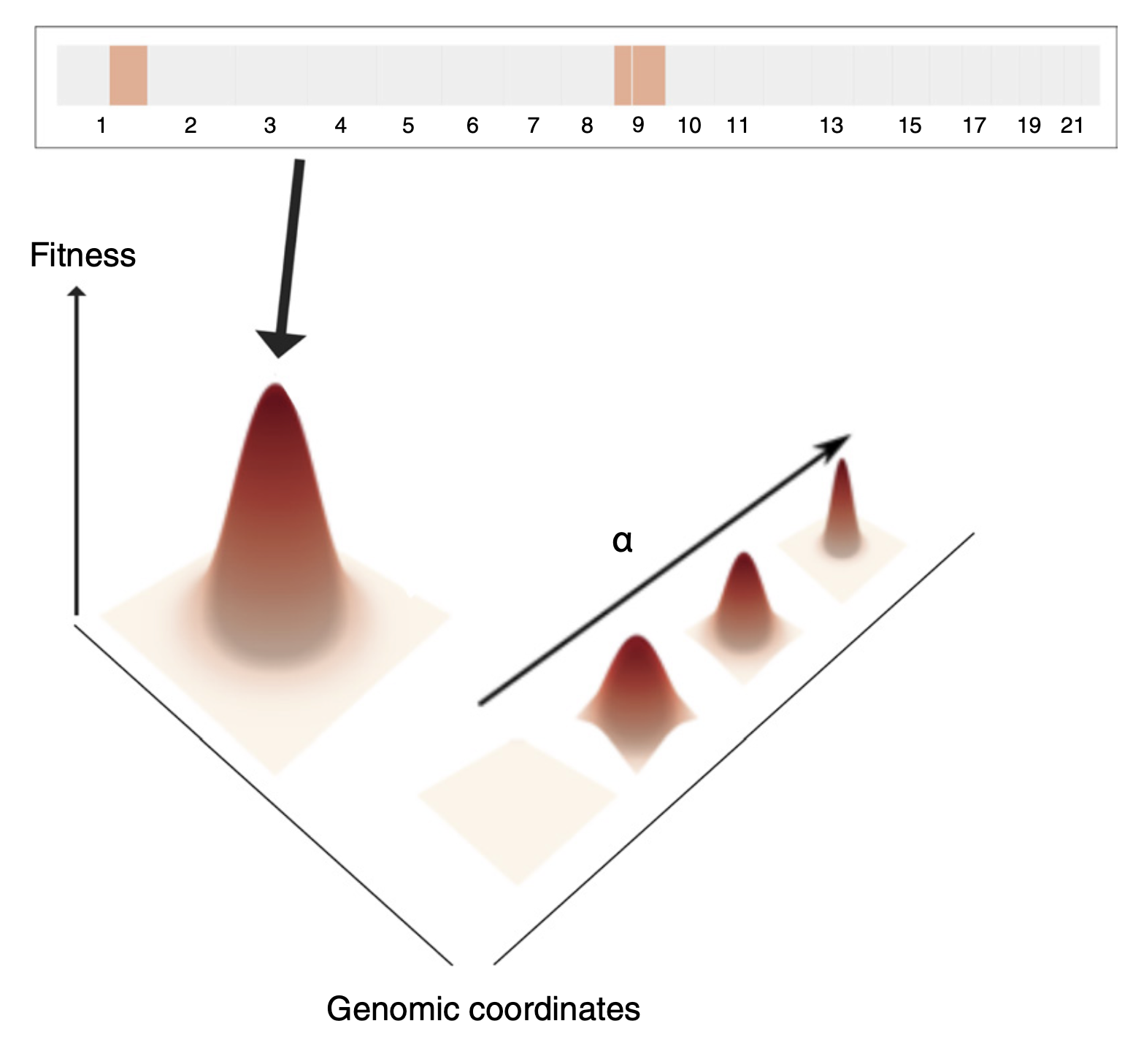
Aneuploidy is near-ubiquitous in cancer and contributes to tumor biology. However, the temporal evolutionary dynamics that select for aneuploidy remain uncharacterized. We performed longitudinal genomic analysis of 755 samples from 167 patients with colorectal-derived neoplasias from different stages through metastasis and treatment. Adenomas had few copy number alterations (CNA) and most were subclonal, whereas cancers had many clonal CNAs, suggesting that progression goes through a CNA bottleneck. Individual colorectal cancer glands from the same tumor had similar karyotypes, despite evidence of ongoing instability at the cell level. CNAs in metastatic lesions, after therapy, and in late recurrences were similar to the primary. Mathematical modeling indicated that these data are consistent with the action of negative selection on CNAs that “trap” cancer genomes on a fitness peak characterized by specific CNAs. Hence, progression to colorectal cancer requires traversing a rugged fitness landscape, whereas subsequent CNA evolution is constrained by negative selection.
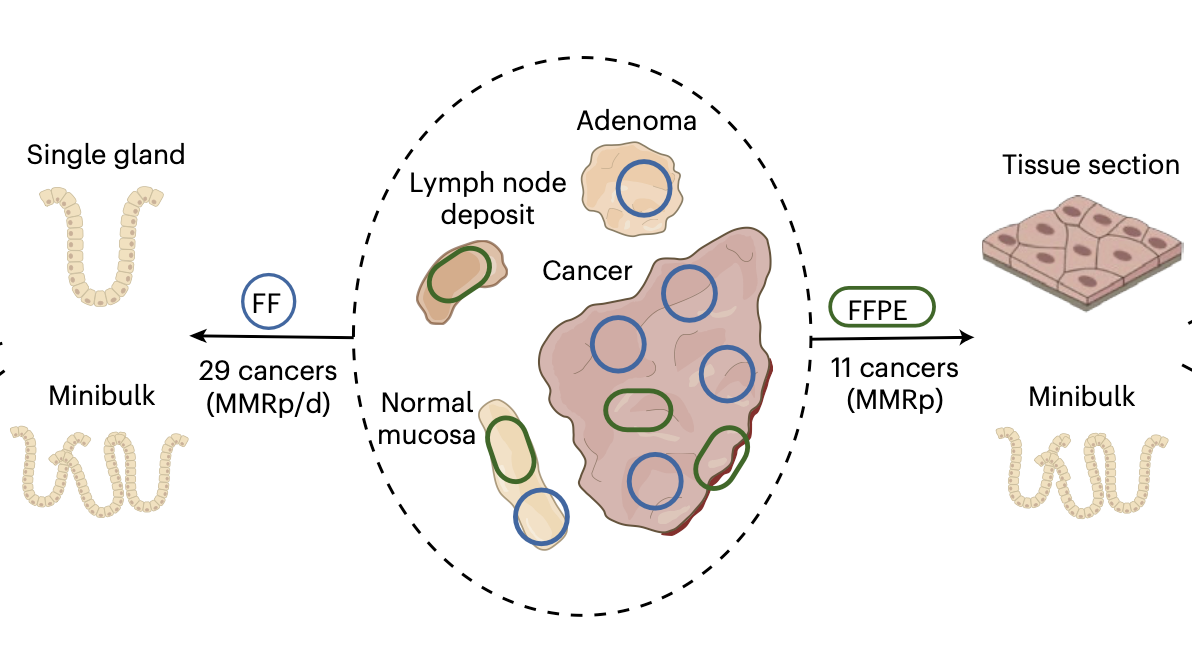
Immune system control is a principal hurdle in cancer evolution. The temporal dynamics of immune evasion remain incompletely characterized, and how immune-mediated selection interrelates with epigenome alteration is unclear. Here we infer the genome- and epigenome-driven evolutionary dynamics of tumor-immune coevolution within primary colorectal cancers (CRCs). We utilize a multiregion multiomic dataset of matched genome, transcriptome and chromatin accessibility profiling from 495 single glands (from 29 CRCs) supplemented with high-resolution spatially resolved neoantigen sequencing data and multiplexed imaging of the tumor microenvironment from 82 microbiopsies within 11 CRCs. Somatic chromatin accessibility alterations contribute to accessibility loss of antigen-presenting genes and silencing of neoantigens. Immune escape and exclusion occur at the outset of CRC formation, and later intratumoral differences in immuno-editing are negligible or exclusive to sites of invasion. Collectively, immune evasion in CRC follows a ‘Big Bang’ evolutionary pattern, whereby it is acquired close to transformation and defines subsequent cancer-immune evolution.
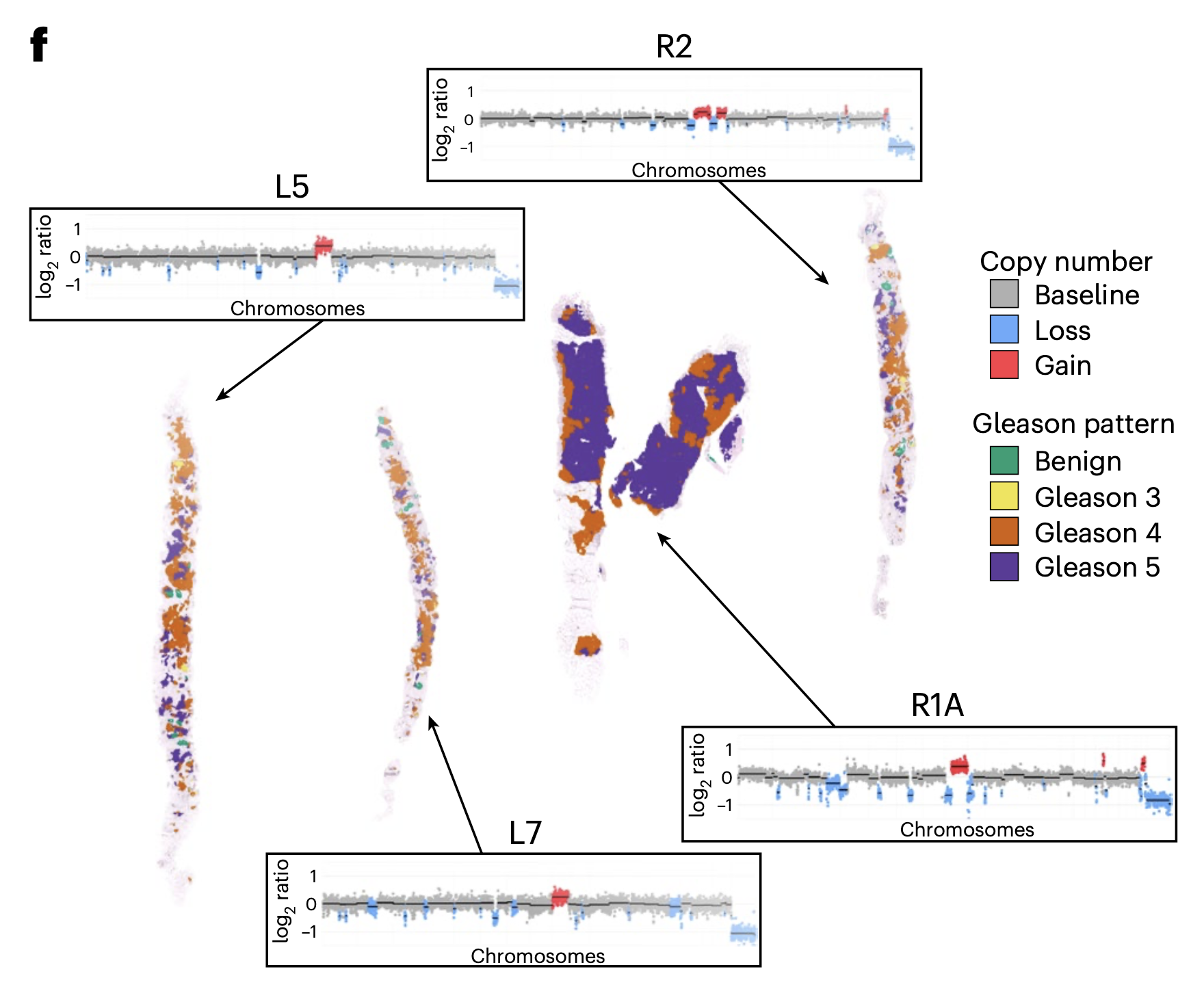
Cancer evolution lays the groundwork for predictive oncology. Testing evolutionary metrics requires quantitative measurements in controlled clinical trials. We mapped genomic intratumor heterogeneity in locally advanced prostate cancer using 642 samples from 114 individuals enrolled in clinical trials with a 12-year median follow-up. We concomitantly assessed morphological heterogeneity using deep learning in 1,923 histological sections from 250 individuals. Genetic and morphological (Gleason) diversity were independent predictors of recurrence (hazard ratio (HR) = 3.12 and 95% confidence interval (95% CI) = 1.34–7.3; HR = 2.24 and 95% CI = 1.28–3.92). Combined, they identified a group with half the median time to recurrence. Spatial segregation of clones was also an independent marker of recurrence (HR = 2.3 and 95% CI = 1.11–4.8). We identified copy number changes associated with Gleason grade and found that chromosome 6p loss correlated with reduced immune infiltration. Matched profiling of relapse, decades after diagnosis, confirmed that genomic instability is a driving force in prostate cancer progression. This study shows that combining genomics with artificial intelligence-aided histopathology leads to the identification of clinical biomarkers of evolution.
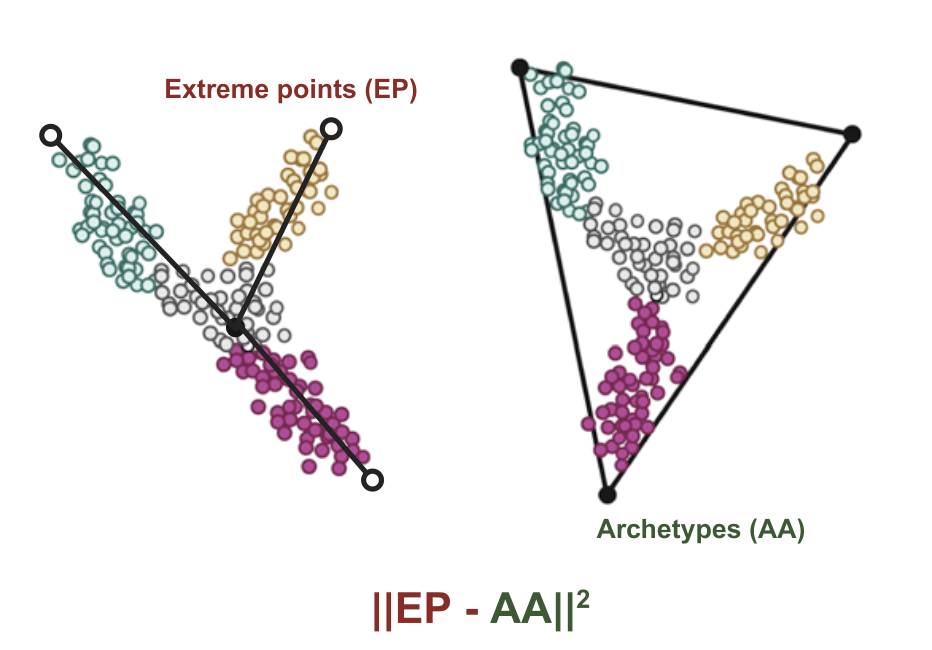
High-throughput multi-omic molecular profiling allows the probing of biological systems at unprecedented resolution. However, integrating and interpreting high-dimensional, sparse, and noisy multimodal datasets remains challenging. Deriving new biological insights with current methods is difficult because they are not rooted in biological principles but prioritise tasks like dimensionality reduction. Here, we introduce a framework that combines archetypal analysis, an approach grounded in biological principles, with deep learning. Using archetypes based on evolutionary trade-offs and Pareto optimality, MIDAA finds extreme data points that define the geometry of the latent space, preserving the complexity of biological interactions while retaining an interpretable output. We demonstrate that these extreme points represent cellular programmes reflecting the underlying biology. Moreover, we show that, compared to alternative methods, MIDAA can identify parsimonious, interpretable, and biologically relevant patterns from real and simulated multi-omics.
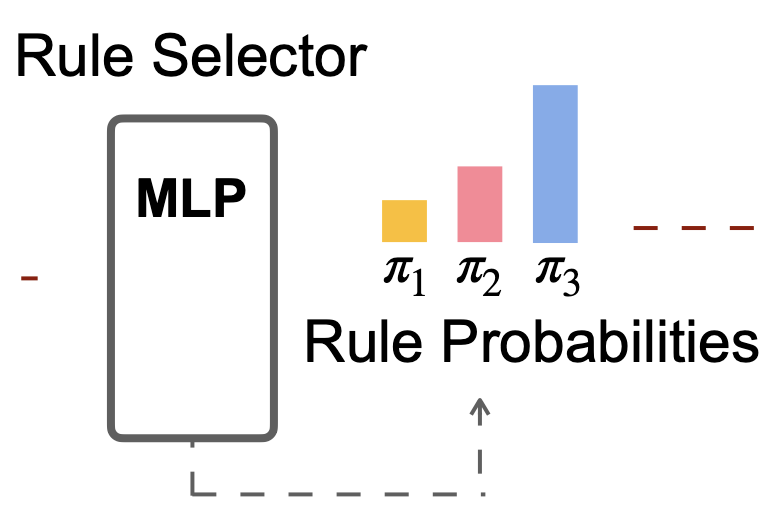
Neural Cellular Automata (NCAs) are a promising new approach to model self-organizing processes, with potential applications in life science. However, their deterministic nature limits their ability to capture the stochasticity of real-world biological and physical systems. We propose the Mixture of Neural Cellular Automata (MNCA), a novel framework incorporating the idea of mixture models into the NCA paradigm. By combining probabilistic rule assignments with intrinsic noise, MNCAs can model diverse local behaviors and reproduce the stochastic dynamics observed in biological processes. We evaluate the effectiveness of MNCAs in three key domains: (1) synthetic simulations of tissue growth and differentiation, (2) image morphogenesis robustness, and (3) microscopy image segmentation. Results show that MNCAs achieve superior robustness to perturbations, better recapitulate real biological growth patterns, and provide interpretable rule segmentation. These findings position MNCAs as a promising tool for modeling stochastic dynamical systems and studying self-growth processes.
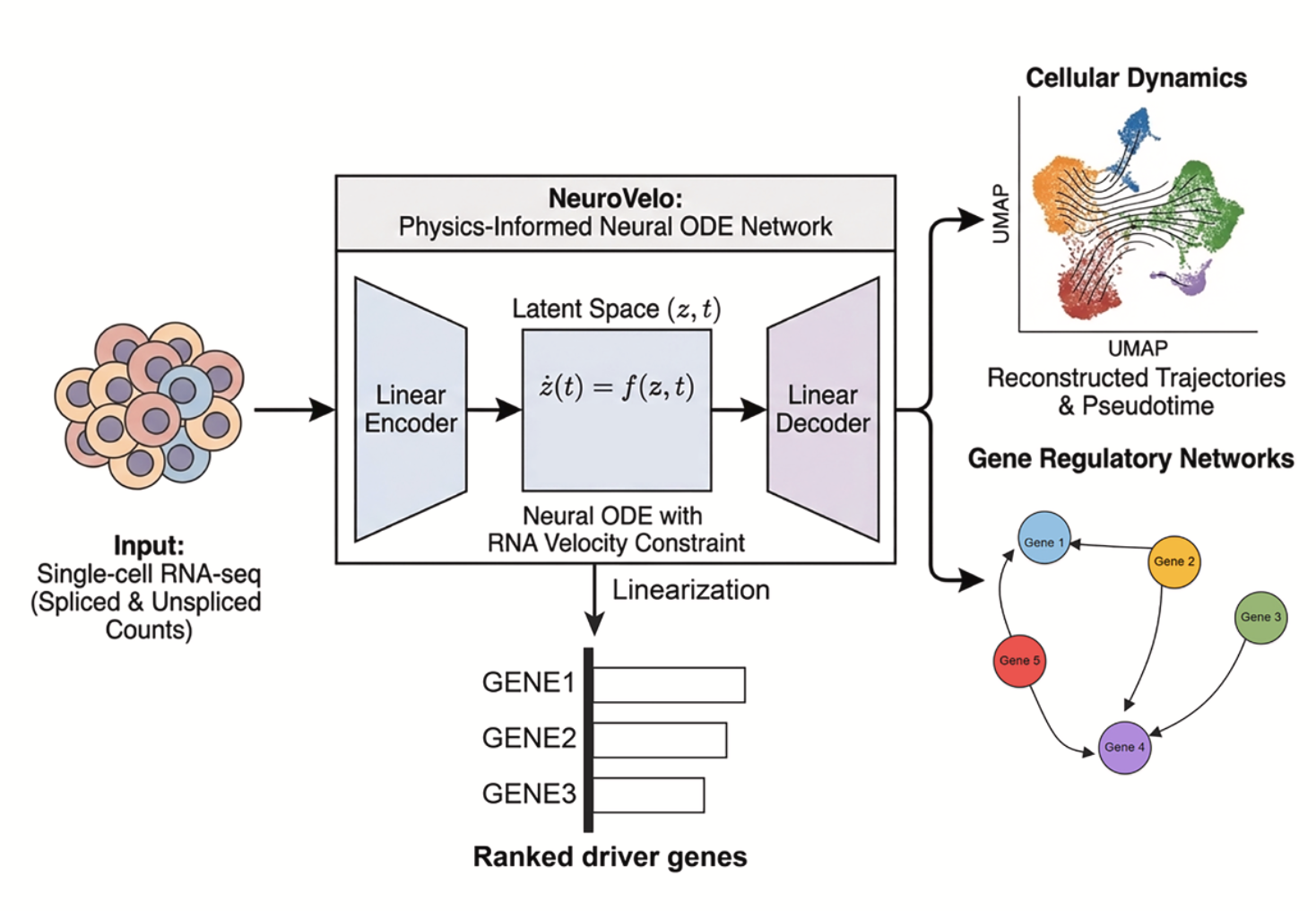
Reconstructing temporal cellular dynamics from static single-cell transcriptomics remains a major challenge. Methods based on RNA velocity are useful, but interpreting their results to learn new biology remains difficult, and their predictive power is limited. Here, we propose NeuroVelo, a method that couples learning of an optimal linear projection with non-linear neural ordinary differential equations. Using dynamical systems theory in the optimized latent space, NeuroVelo can at the same time determine cellular transitions and identify gene interactions that drive the observed temporal dynamics of gene expression. We benchmark NeuroVelo against several state-of-the-art methods using single-cell datasets, demonstrating that NeuroVelo simultaneously reconstructs correct cell-type transitions and identifies gene-regulatory networks that drive cell fate directly from the data.
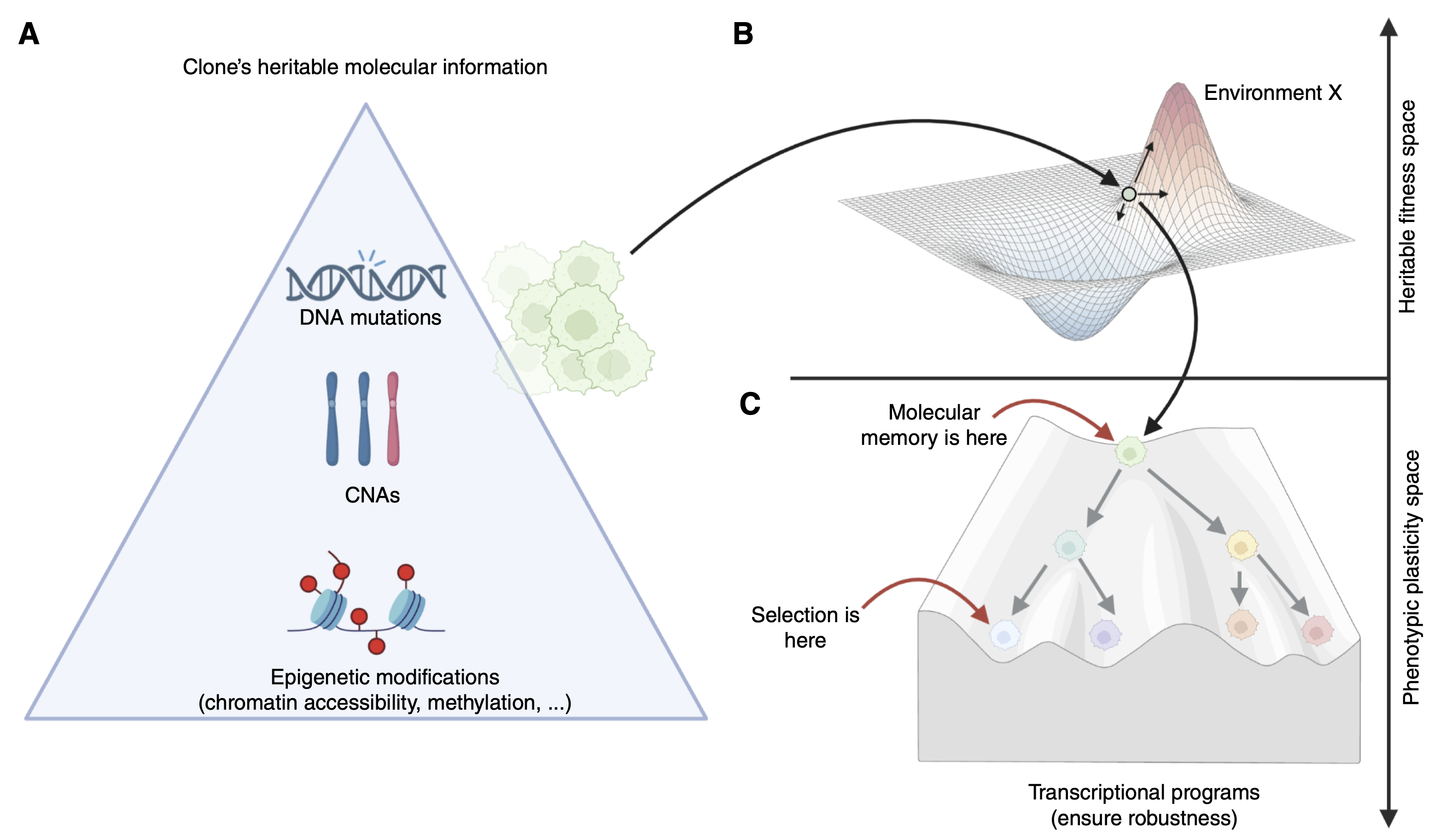
Cancer drug resistance is multifactorial, driven by heritable (epi)genetic changes but also by phenotypic plasticity. In this study, we dissected the drivers of resistance by perturbing organoids derived from patients with colorectal cancer longitudinally with drugs in sequence. Combined longitudinal lineage tracking, single-cell multiomics analysis, evolutionary modeling, and machine learning revealed that different targeted drugs select for distinct subclones, supporting rationally designed drug sequences. The cellular memory of drug resistance was encoded as a heritable epigenetic configuration from which multiple transcriptional programs could run, supporting a one-to-many (epi)genotype-to-phenotype map that explains how clonal expansions and plasticity manifest together. This epigenetic landscape may ensure drug-resistant subclones can exhibit distinct phenotypes in changing environments while still preserving the cellular memory encoding for their selective advantage. Chemotherapy resistance was instead entirely driven by transient phenotypic plasticity rather than stable clonal selection. Inducing further chromosomal instability before drug application changed clonal evolution but not convergent transcriptional programs. Collectively, these data show how genetic and epigenetic alterations are selected to engender a “permissive epigenome” that enables phenotypic plasticity.
Computational Biology Research Centre
Human Technopole
Viale Rita Levi-Montalcini 1
20157 Milan, Italy
A new life science institute in Milan, Italy, dedicated to advancing human health through fundamental and translational research.
We are always looking for motivated postdoctoral researchers, PhD students, and bioinformaticians to join the lab. Please get in touch with a CV and a short description of your research interests.